This is the Valley's Old West — real horse property, real acreage, and a downtown that's still saloons and art galleries instead of chain restaurants. Big lots, wide-open space, and a night sky you can actually see — Cave Creek is for buyers who want distance from density, not just distance from the city.
Curious About This Area? Let's Talk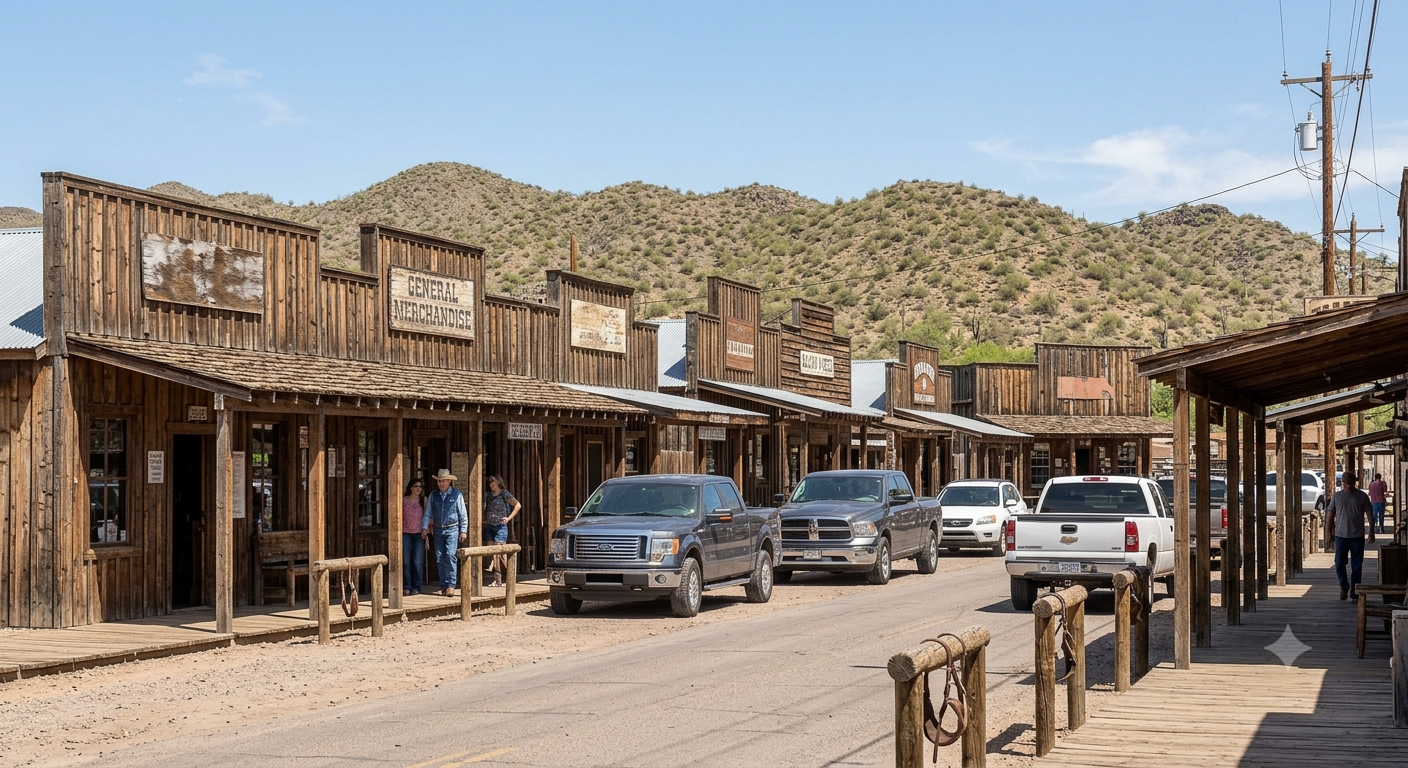
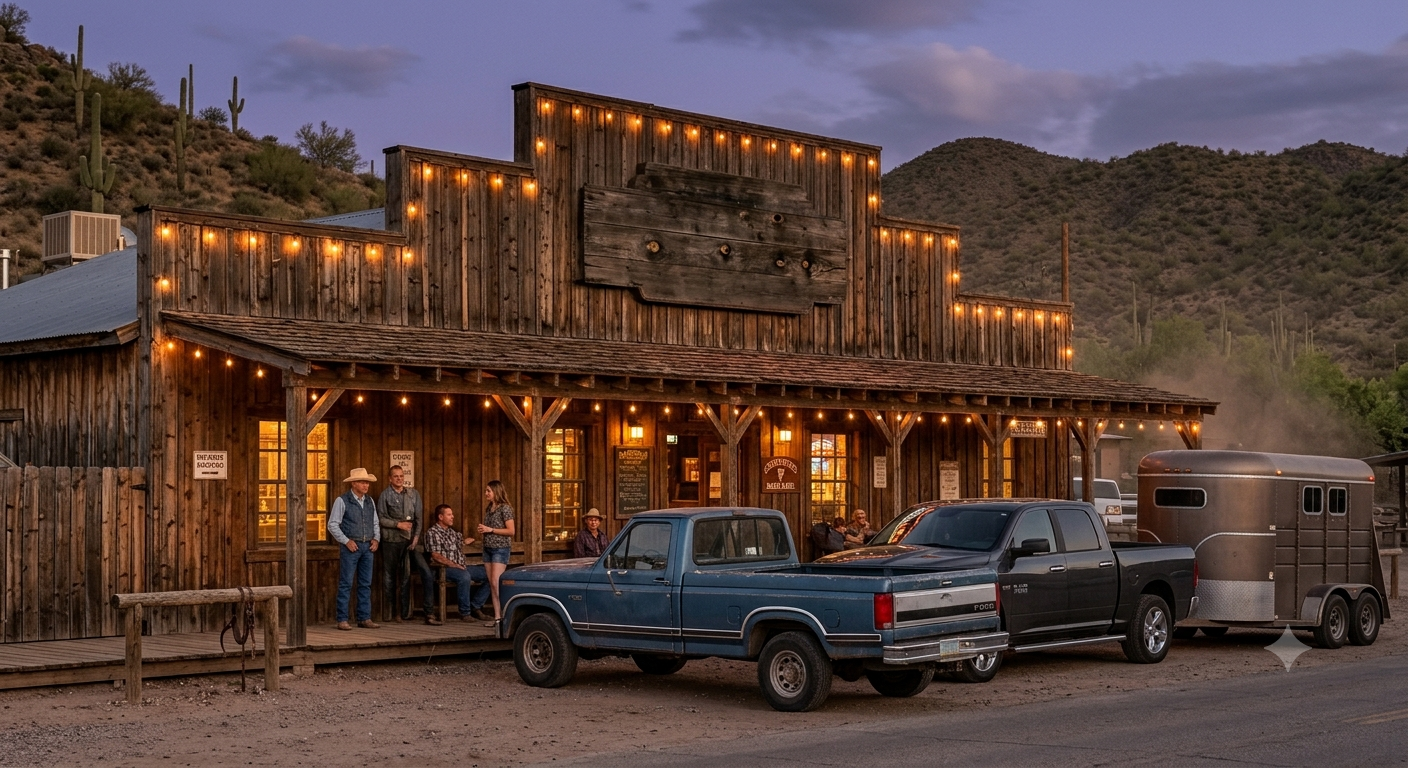
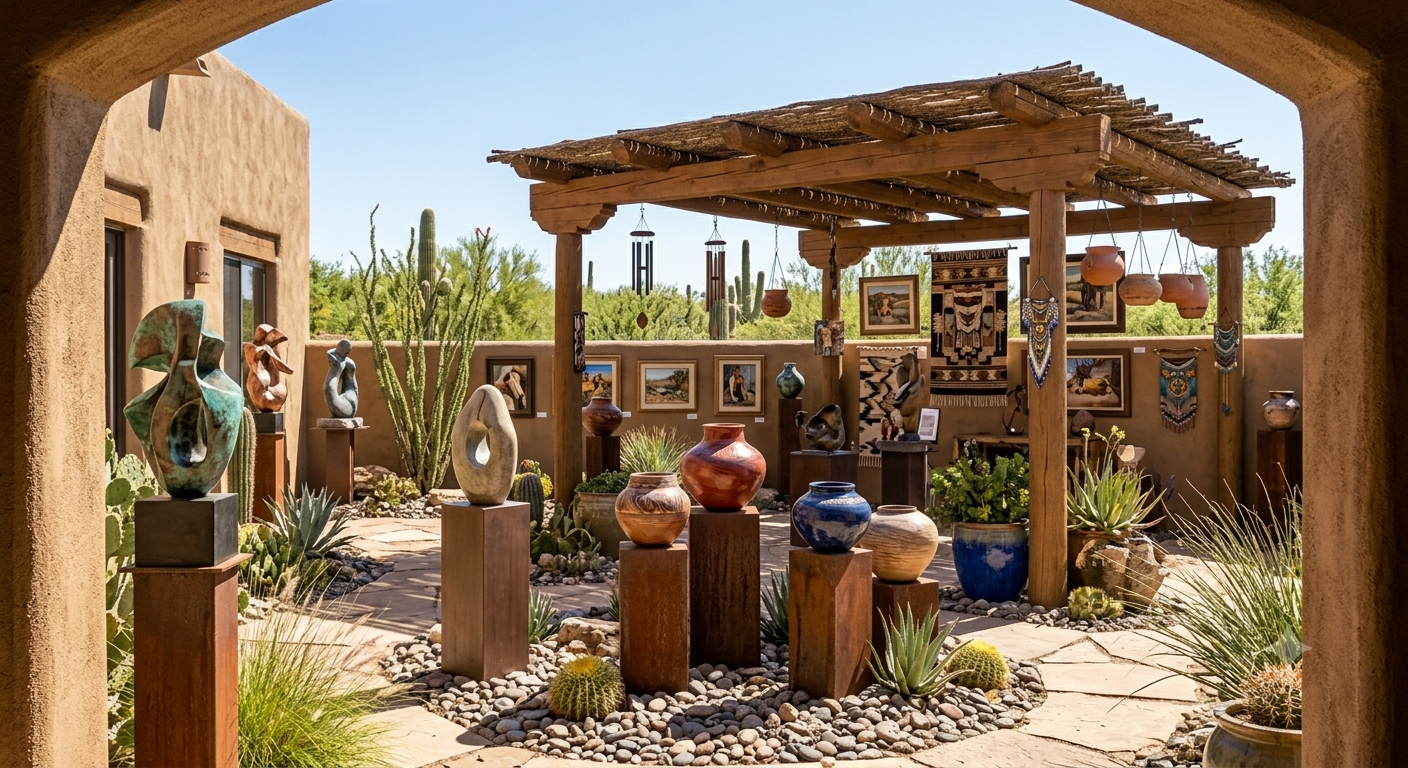
Cave Creek started as a U.S. Cavalry stop in the 1870s, then became a gold-mining and ranching town. It didn’t actually incorporate until 1986, which is probably why it still feels less planned than the rest of the Valley. Downtown is real saloons and real art galleries — not a themed version of the Old West, an actual one that’s been there for generations.
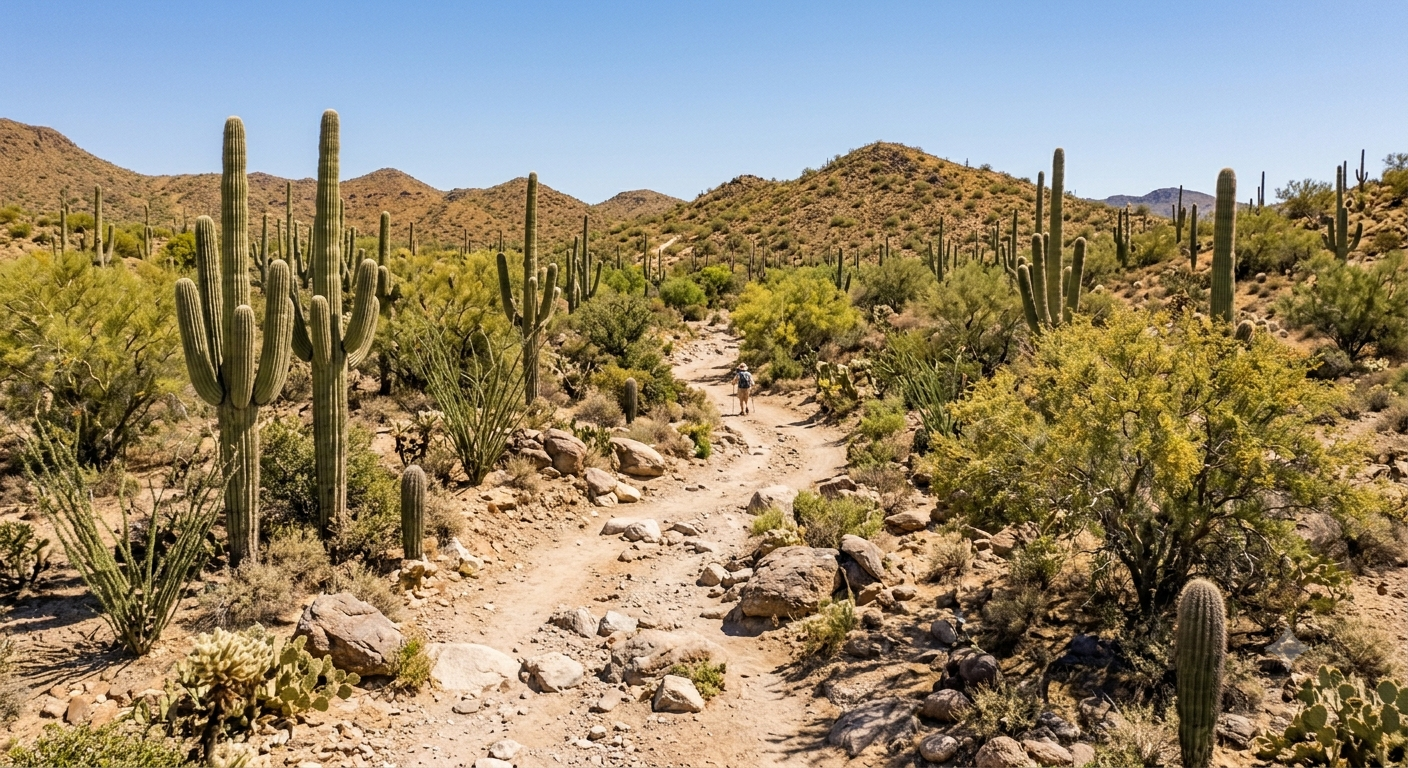
Acreage and horse property are common here, though not every property is HOA-free — worth checking before you assume. What you do get almost everywhere is trail access straight from your street: Cave Creek Regional Park, Spur Cross Ranch Conservation Area, and the Tonto National Forest all border the town.
Schools matter here too. Cave Creek Unified is well-regarded, and Cactus Shadows High School regularly ranks among the top comprehensive high schools in the state — that kind of thing holds up resale value even for buyers without kids.
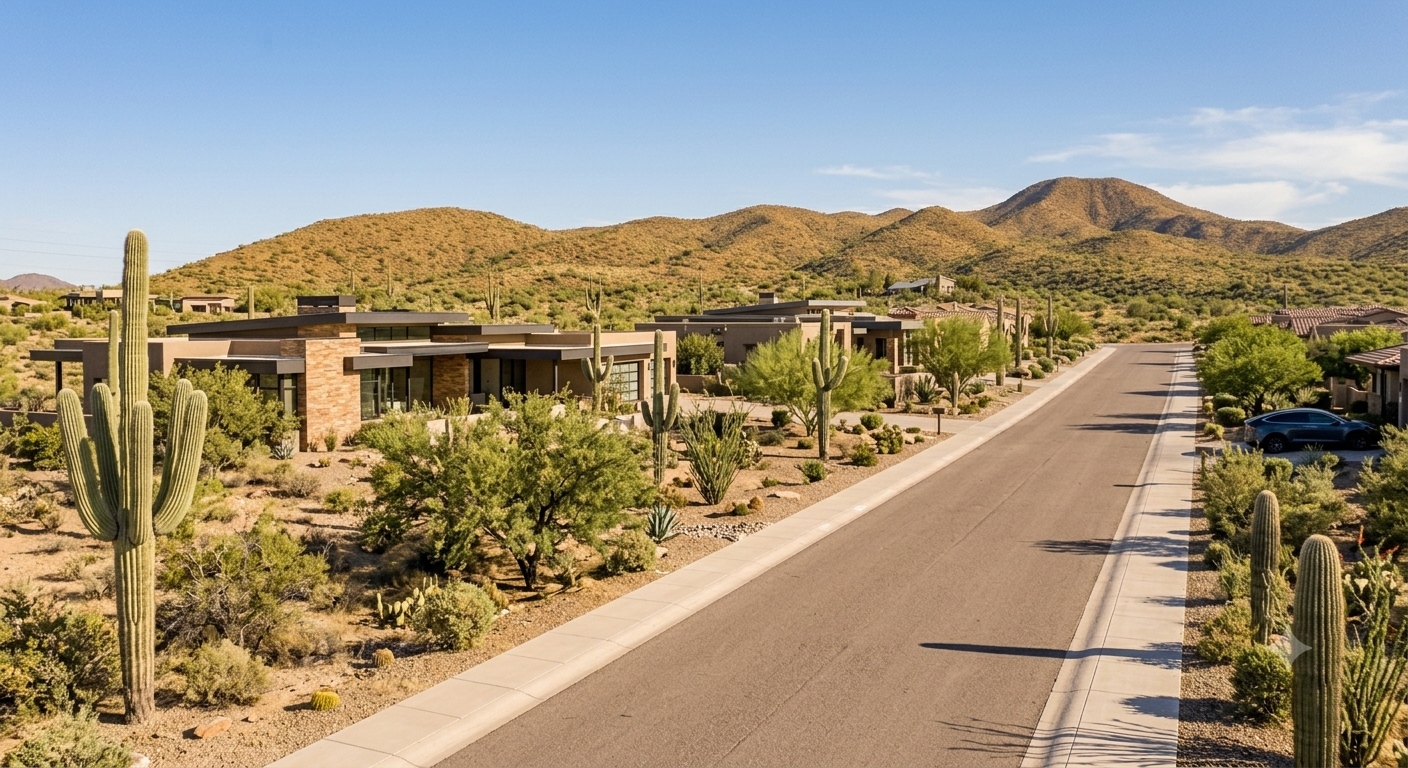
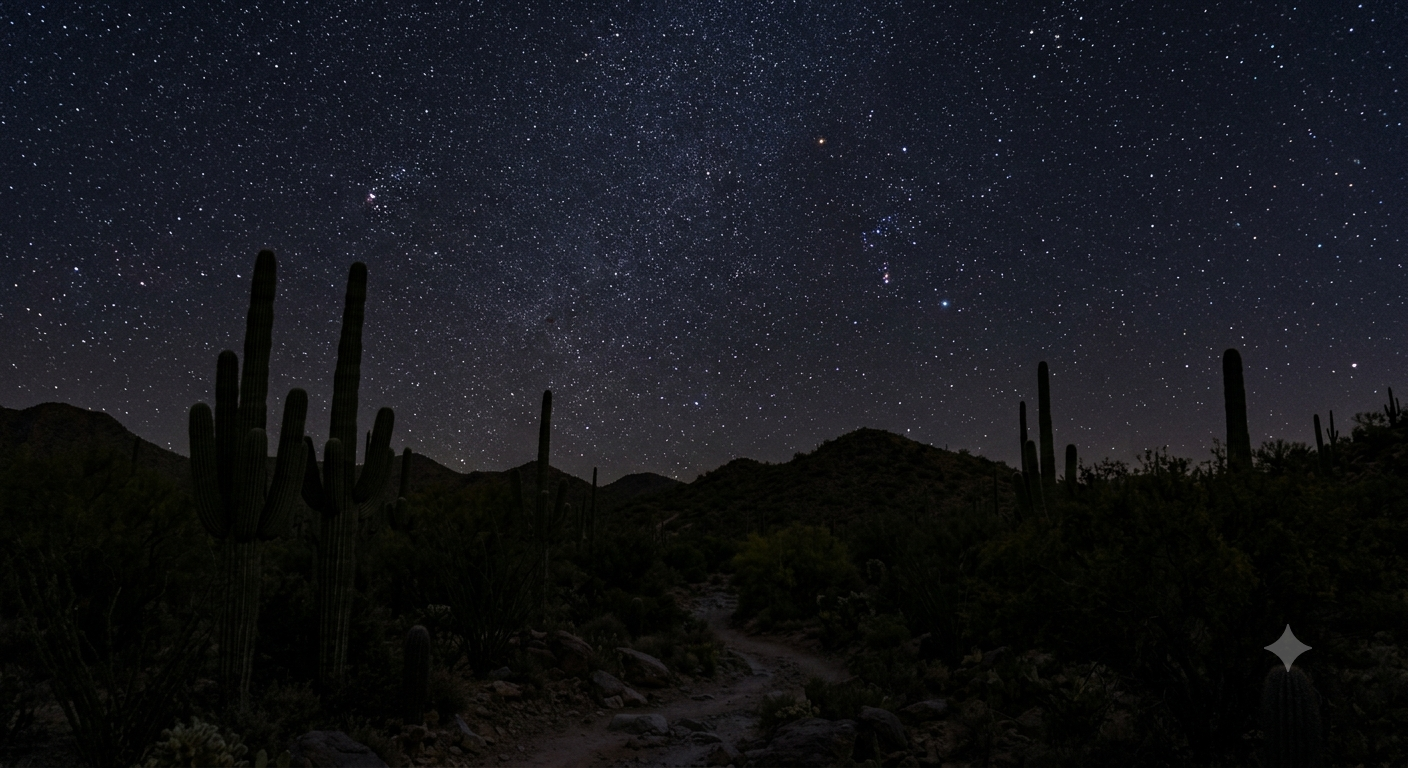
It’s not all ranches and acreage, either. There are planned neighborhoods here with bigger, more modern homes on generous lots — just with more breathing room than the tighter subdivisions closer to the city. And the town protects its dark skies on purpose, which sounds minor until you’ve actually stood outside at night and looked up.
The tradeoff is distance — Cave Creek sits well north of downtown, so this isn’t for someone who needs a short commute. But if you want space and a town that hasn’t sanded down its own edges, that’s what you’re buying.
More Cave Creek content is on the way — check back soon.